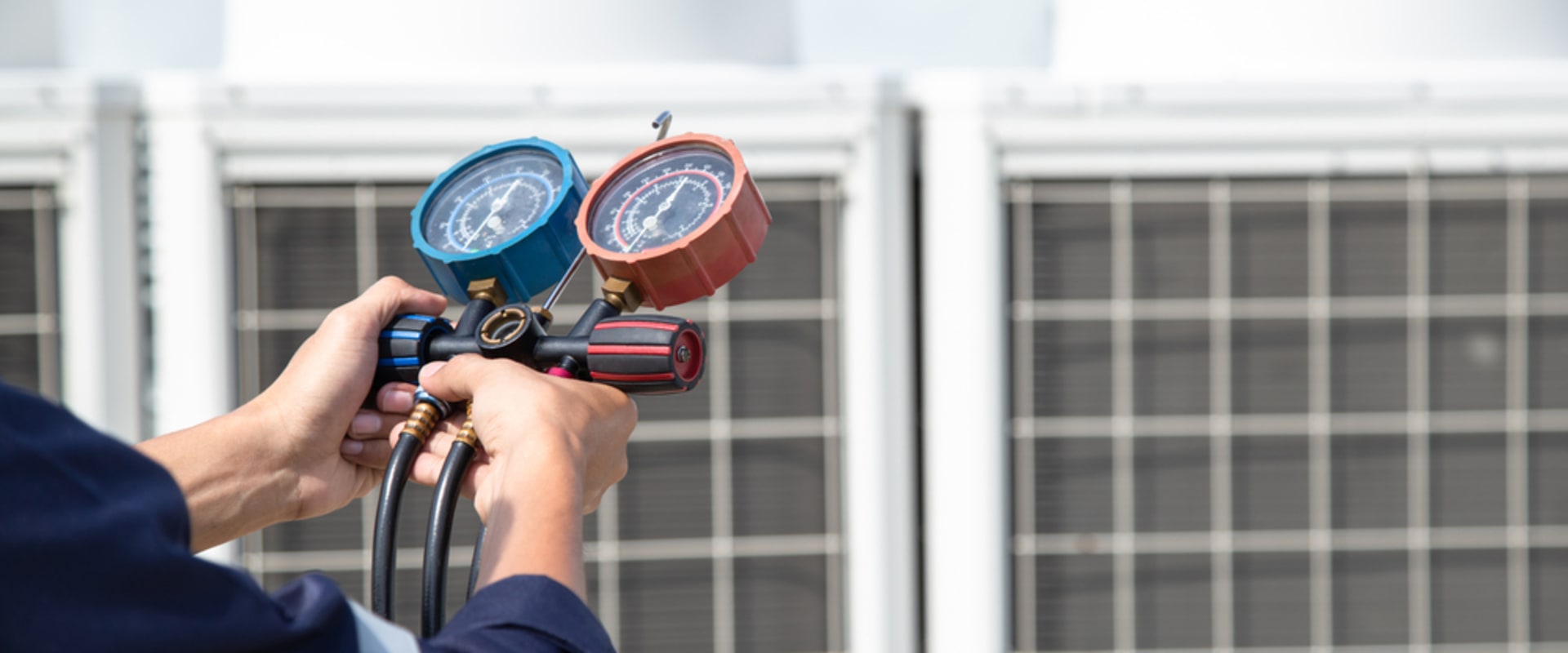
After servicing thousands of HVAC systems across Kissimmee, we've seen the same pattern repeatedly: homeowners who skip routine maintenance end up paying three to four times more in emergency repairs than those who schedule regular tune-ups. The math is simple, but the savings are significant.
Kissimmee's year-round cooling demands push AC systems to their limits in ways that homeowners relocating from northern states often don't anticipate. Components that might last 15 years in Ohio frequently fail in seven to ten years here—unless they're properly maintained. We've found that most emergency calls we respond to involve problems a seasonal inspection would have caught weeks or months earlier, when the fix was still affordable.
This guide shares what our technicians have learned about protecting HVAC systems in Central Florida's demanding climate, including which maintenance tasks deliver the biggest return and how to recognize early warning signs before they escalate into system failures.
Top Takeaways
Your AC is your primary mold defense. It removes gallons of moisture daily—when maintenance lapses, that moisture stays trapped inside.
Most mold problems are preventable. Clogged drain lines, dirty coils, and leaky ductwork are the usual culprits.
Schedule service before humidity peaks. Early spring maintenance restores dehumidification capacity before summer arrives.
Watch for warning signs. Humidity above 55%, musty odors from vents, or moisture around your indoor unit.
Prevention beats remediation. Annual maintenance costs ~$300. A single mold project often exceeds $3,000.
TL;DR Quick Answers
What should Kissimmee homeowners know about HVAC maintenance?
Kissimmee's year-round cooling demands put extraordinary stress on HVAC systems. Proactive maintenance is essential—not optional.
Key facts:
Systems here run 2,500 to 3,000 hours annually (double northern states)
Schedule maintenance twice yearly: early spring and early fall
Typical tune-up cost: $80 to $150
Neglected systems lose up to 30% efficiency
Preventive visits cost a fraction of emergency repairs
Priority maintenance tasks for Kissimmee's climate:
Condensate drain clearing (humidity accelerates algae growth)
Evaporator coil cleaning (critical for efficiency)
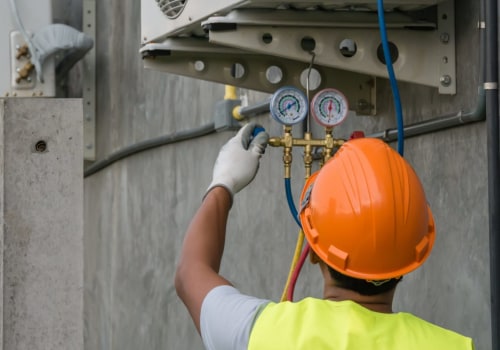
Refrigerant level verification (catches slow leaks early)
Electrical connection inspection (humidity causes corrosion)
Filter replacement (monthly during peak cooling season)
Local resources:
Rebates available through Kissimmee Utility Authority (KUA)
Contractor licenses verifiable at MyFloridaLicense.com
Permits required for replacements through Osceola County
Bottom line: Homeowners who maintain systems consistently report fewer breakdowns, lower utility bills, and equipment lasting 15+ years. Those who skip maintenance often face emergency repairs and premature system failure within seven to ten years.
Top Takeaways
Kissimmee's climate accelerates HVAC wear. Systems here run 2,500 to 3,000 hours annually versus 800 to 1,200 hours in northern states. Components wear at roughly double the rate.
Preventive maintenance costs a fraction of emergency repairs. A $100 to $150 tune-up catches small problems early. The same issues ignored become $500 to $2,500 emergency repairs.
Neglected systems lose up to 30% efficiency. ENERGY STAR confirms this directly increases energy bills and shortens equipment lifespan. With cooling consuming 50%+ of home energy costs here, efficiency losses add up fast.
Indoor air quality depends on HVAC conditions. EPA data shows indoor pollutants can reach 2 to 5 times higher than outdoor levels. Clean filters, coils, and drains directly impact the air your family breathes.
Spring maintenance timing matters. Schedule inspections in March or April to prepare before summer peak demand, book appointments more easily, and catch small problems before mid-summer failures.
How Preventive Maintenance Stops Small Problems Before They Become Expensive Emergencies
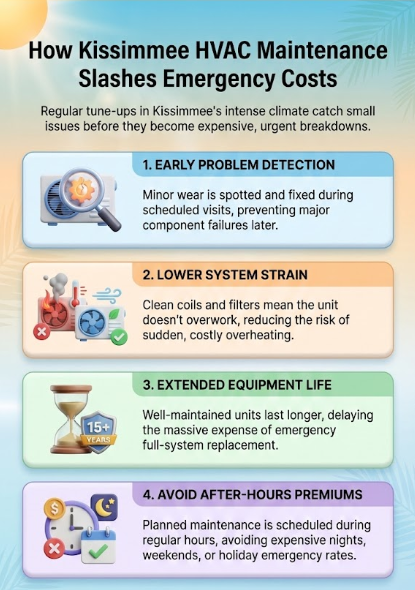
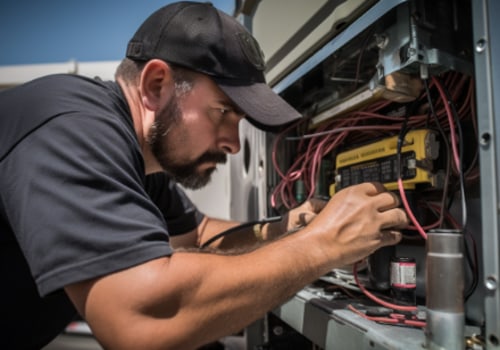
The difference between a $100 maintenance visit and a $2,000 emergency repair usually comes down to timing. During routine inspections, technicians catch issues like clogged condensate lines, worn capacitors, and dirty coils while fixes remain simple and affordable. Left unchecked, these same issues cascade—a $15 drain clearing becomes water damage, a $150 capacitor replacement becomes a burned-out fan motor, and a coil cleaning becomes a frozen system with compressor damage.
Kissimmee's climate accelerates this progression faster than most homeowners expect. Systems here run 2,500 to 3,000 hours annually compared to 800 to 1,200 hours in northern states, meaning components wear at roughly double the rate. The humidity also promotes algae growth in drain lines and corrosion on electrical connections, creating failure points that barely exist in drier climates.
Scheduling HVAC maintenance in Kissimmee in early spring catches wear before summer's peak demands arrive, when a breakdown means emergency rates and potentially days without cooling. Homeowners who maintain this rhythm consistently report repair costs averaging 40% lower over the life of their systems—and far fewer uncomfortable surprises when temperatures climb past 95 degrees.
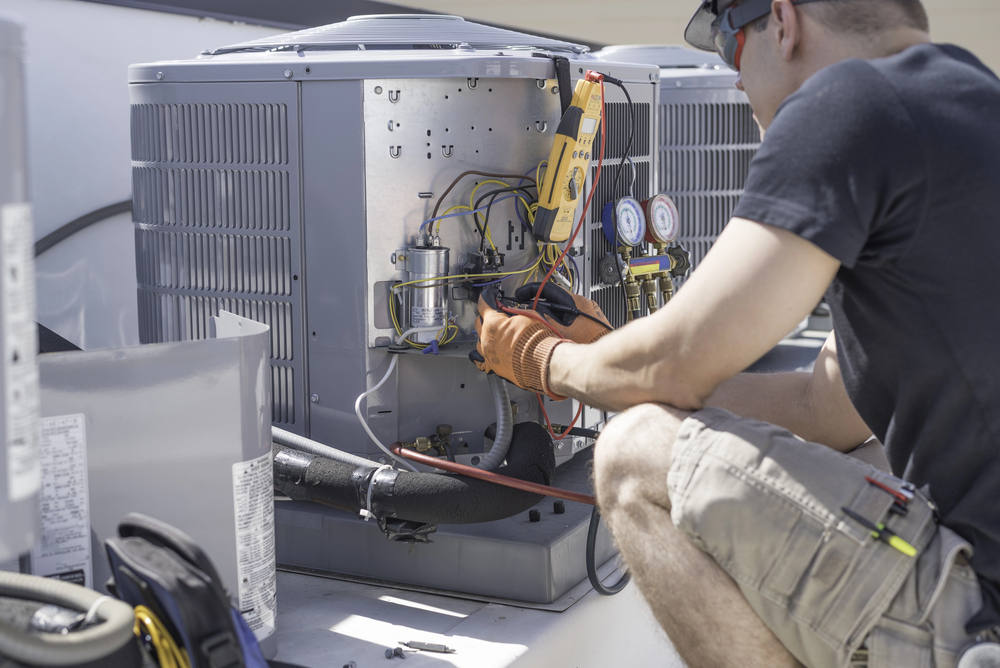
"After two decades of HVAC service in Central Florida, I tell every homeowner the same thing—the repairs that hurt your wallet most are almost always the ones we could have prevented three months earlier with a basic inspection."
Essential Resources for Kissimmee Homeowners Researching HVAC Maintenance
Kissimmee Utility Authority Rebates: Offset Your Maintenance and Upgrade Costs
KUA offers rebates for high-efficiency HVAC systems, duct leak repairs, and free energy audits that can significantly reduce out-of-pocket expenses for Kissimmee homeowners investing in system improvements.
Resource: https://kua.com/energy-conservation/rebates/
Florida DBPR License Verification: Confirm Your Contractor Is Legally Qualified
The state's official licensing database lets homeowners verify any HVAC contractor's credentials, license status, and disciplinary history before allowing them to service equipment in their home.
Resource: https://www.myfloridalicense.com/
U.S. Department of Energy Maintenance Guide: Learn What Proper AC Care Looks Like
Federal guidelines explain essential maintenance tasks like filter replacement, coil cleaning, and drain line clearing in manufacturer-neutral terms, helping homeowners understand what quality service should include.
Resource: https://www.energy.gov/energysaver/air-conditioner-maintenance
ENERGY STAR Maintenance Checklist: Know What to Expect From Professional Tune-Ups
This comprehensive checklist details every inspection point a qualified technician should cover, giving homeowners a benchmark for evaluating whether their contractor delivers thorough service.
Resource: https://www.energystar.gov/saveathome/heating-cooling/maintenance-checklist
EPA Indoor Air Quality Resources: Understand How HVAC Maintenance Affects Your Health
The EPA explains the connection between HVAC system condition and indoor air quality, including filtration effectiveness and humidity control critical in Kissimmee's humid climate.
Resource: https://www.epa.gov/indoor-air-quality-iaq
Osceola County Permit Information: Verify When HVAC Work Requires Official Approval
County guidelines clarify which HVAC repairs and installations require permits, protecting homeowners from unpermitted work that could void warranties or complicate future home sales.
Resource: https://www.osceola.org/Doing-Business/Building-and-Permits
Better Business Bureau Contractor Search: Research Company Reputations Before You Hire
BBB profiles reveal complaint histories, resolution patterns, and accreditation status for Central Florida HVAC companies, helping homeowners identify trustworthy service providers.
Resource: https://www.bbb.org/us/fl/orlando/category/heating-and-air-conditioning
Supporting Statistics: The Numbers Behind HVAC Maintenance Savings
Federal research confirms what we observe daily in Kissimmee homes—and Florida's climate often amplifies these numbers.
Heating and Cooling Consumes Nearly Half of Home Energy Costs
ENERGY STAR reports the average household spends roughly $1,900 annually on energy, with heating and cooling consuming close to 50%.
In Central Florida, we typically see cooling costs run even higher:
Summer utility bills often show 60% or more going to air conditioning
Systems here run continuously from April through October
Homeowners maintaining equipment consistently report lower peak-month bills than neighbors with identical homes who skip service
Source: U.S. Environmental Protection Agency, ENERGY STAR Program https://www.energystar.gov/saveathome/heating-cooling
Neglected Systems Lose Up to 30% Efficiency
ENERGY STAR confirms improper maintenance can reduce system efficiency by up to 30%. Our service calls regularly validate this finding.
Common efficiency killers we diagnose in "working" systems:
Low refrigerant levels from undetected slow leaks
Dirty evaporator and condenser coils restricting heat transfer
Clogged filters forcing motors to work harder
Buildup homeowners don't notice until we measure airflow and temperature differentials
Source: U.S. Environmental Protection Agency, ENERGY STAR Program https://www.energystar.gov/saveathome/heating-cooling
Indoor Air Quality Directly Tied to HVAC Condition
The EPA reports Americans spend 90% of their time indoors, where pollutant concentrations can reach 2 to 5 times higher than outdoor levels.
What we find in homes with deferred maintenance:
Dust buildup coating evaporator coils
Mold growth in drain pans accelerated by Kissimmee's humidity
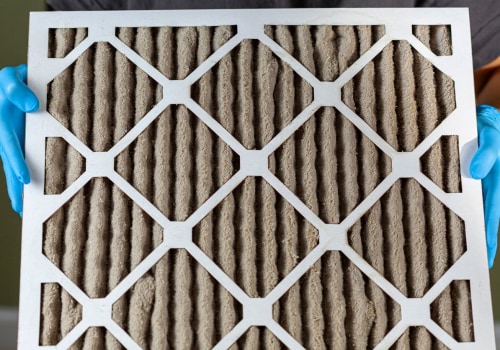
Filters so clogged they've partially collapsed
Customers frequently report immediate improvements in allergy symptoms and air freshness after thorough cleaning—a direct connection between HVAC condition and the air families breathe daily.
Source: U.S. Environmental Protection Agency, Indoor Air Quality Report https://www.epa.gov/report-environment/indoor-air-quality
Final Thoughts: Why Kissimmee Homeowners Can't Afford to Skip HVAC Maintenance
After years of servicing HVAC systems across Central Florida, one pattern stands out clearly—homeowners who spend the least on air conditioning over time are the ones who invest in maintenance before problems surface.
Kissimmee's Climate Demands More From Your System
Northern homeowners get months of AC downtime. You don't.
Your equipment runs nearly year-round
Component wear accumulates at roughly double the national average
Systems here face constant stress that accelerates breakdowns
That reality makes preventive maintenance essential—not optional.
The Math Consistently Favors Maintenance
A $100 to $150 tune-up catches small problems before they escalate:
Failing capacitor detected early: ~$150 fix
Same capacitor ignored until it burns out the fan motor: $600+ repair
Clogged drain cleared during inspection: $15
Same clog causing water damage: $500 to $2,000+
We've seen homeowners save thousands over the life of their systems simply by committing to spring inspections before summer demand peaks.
Our Honest Recommendation
Treat HVAC maintenance like oil changes for your car. Skip it long enough and you're not saving money—you're delaying and compounding the expense.
Kissimmee's heat and humidity will find every weakness in a neglected system eventually. The only question is whether you address those weaknesses:
On your schedule and budget through planned maintenance
On the system's terms during an emergency
Homeowners who understand this simple truth consistently report fewer disruptions, lower annual costs, and systems that reach or exceed their expected lifespan. In a climate as demanding as ours, that's the outcome worth planning for.
FAQ on “HVAC Maintenance in Kissimmee”
Q: How often should I schedule HVAC maintenance in Kissimmee?
A: Twice per year—early spring and early fall.
Many homeowners assume annual service is sufficient because that's what they did up north. Kissimmee systems work considerably harder.
What we've observed:
Well-maintained units here last 15+ years
Neglected systems often fail in seven to eight years
Spring visits catch dust accumulation before summer peaks
Fall visits address wear from months of continuous operation
Q: What does a typical HVAC maintenance visit in Kissimmee include?
A: A thorough tune-up covers multiple system components.
Standard inspection checklist:
Refrigerant pressure checks
Evaporator and condenser coil cleaning
Condensate drain clearing and treatment
Electrical connection inspection
Airflow verification
In our experience, condensate drains and evaporator coils deserve extra attention locally. Kissimmee's humidity promotes algae growth faster than drier climates—we clear more drain clogs here monthly than technicians in Arizona might see all year.
Q: How much does HVAC maintenance cost in Kissimmee?
A: Standard visits typically range from $80 to $150 depending on contractor and service scope.
Consider annual maintenance agreements for added value:
Two scheduled visits per year included
Discounts on repairs
Priority scheduling during peak season
That priority access matters most in July and August. Wait times for non-contract customers can stretch several days during heat waves.
Q: Are there rebates available for HVAC maintenance or upgrades in Kissimmee?
A: Yes—and many homeowners miss them.
Kissimmee Utility Authority (KUA) offers:
Rebates for high-efficiency HVAC systems
Rebates for duct leak repairs
Free energy audits
We've helped homeowners offset $200 to $500 on system upgrades by filing paperwork before installation rather than after. Always check KUA's current programs before scheduling major work.
Q: Do I need a permit for HVAC work in Kissimmee?
A: It depends on the scope of work.
No permit required:
Routine maintenance
Filter replacements
Minor adjustments
Permit required through Osceola County:
System replacements
New installations
Significant repairs
Any reputable contractor handles permits automatically. We've encountered homeowners who hired unlicensed installers to save money, only to face complications during home sales when inspectors flagged unpermitted equipment. The upfront savings rarely justify that risk.
Here is the nearest branch location serving the Miami Shores FL area…
Filterbuy HVAC Solutions - Miami FL
1300 S Miami Ave Unit 4806, Miami, FL 33130
(305) 306-5027